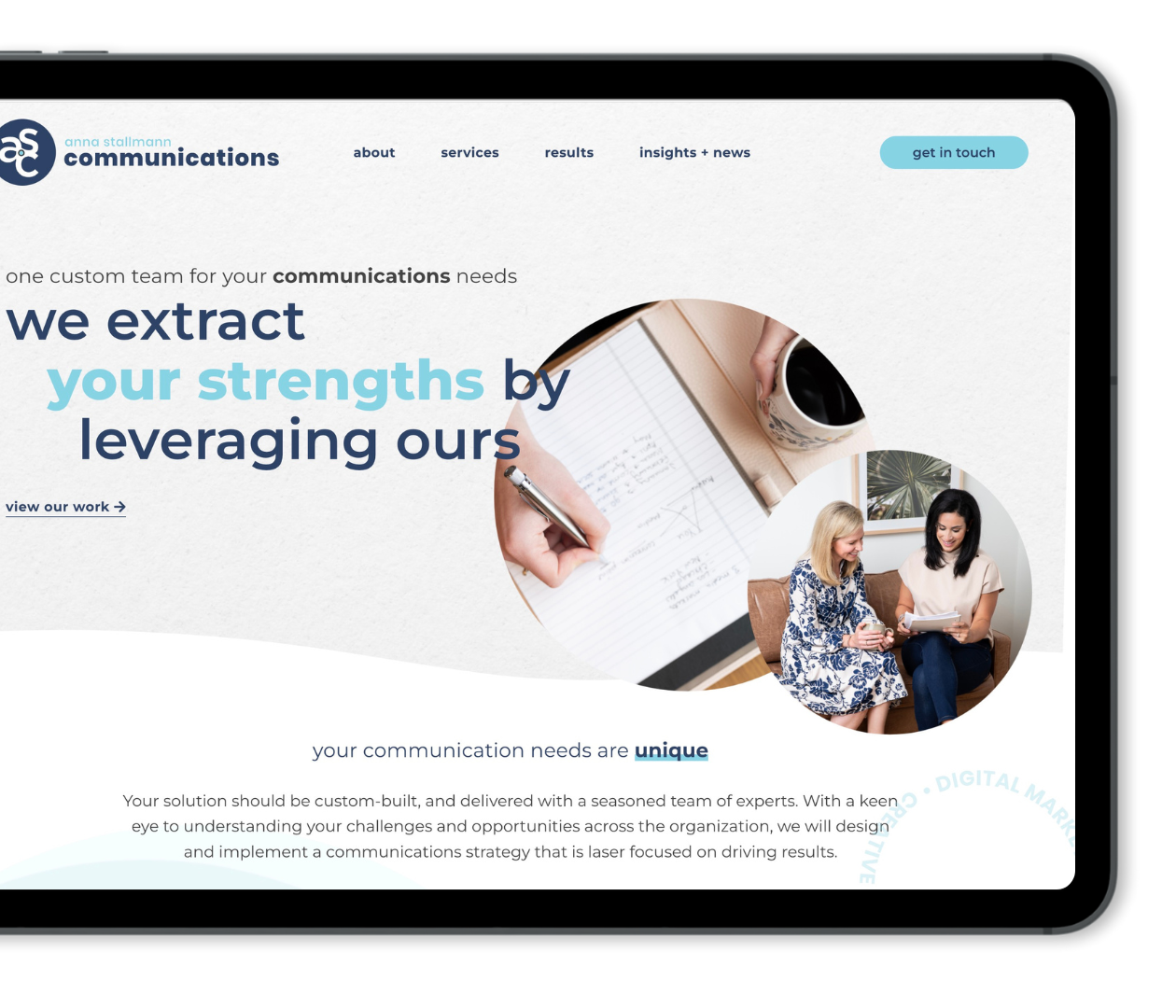
A lot of business owners default to this when it comes to their website: spend months designing and building the site, feel relief when it finally launches and then largely leave it alone unless something obvious breaks.
And we get it. Websites are a significant investment and once yours is live, it feels like the work is done. But this approach catches up with companies, especially when they are in a growing or scaling and their website needs to support business growth.
The truth is your website is never a finished product, it’s more like a living part of your business. It needs regular attention to stay secure, perform well, reflect who you are and actually work for you. For that reason, ongoing website maintenance is not a nice to have, it’s one of the most practical investments you can make.
What Happens When Maintenance Gets Skipped
Most people don’t think about skipped maintenance until something actually goes wrong. And by then, fixing and troubleshooting the problem is usually more expensive than a care plan ever would have been.
Here’s what often happens without regular maintenance:
Software goes out of date. Your content management system (for example, WordPress), plugins/extensions and 3rd party integrations all push out technical updates on a regular basis. And when those updates get ignored or overlooked, you end up with security vulnerabilities and compatibility issues that can bring your website down or expose your business to unnecessary risk.
Performance degrades. Page load speeds slow down, images get uploaded that are oversized, features that used to work suddenly stop working. Believe us, your visitors notice even if you don’t at first.
Your site stops reflecting your business. Growing companies change; the team changes, services evolve and messaging sharpens. If your website is not updated to match where your business is at, it creates a disconnect that potential clients feel. They show up to your site expecting one version of you and find something different altogether.
Small issues become expensive emergencies. A broken contact form that goes unnoticed for weeks, a plugin conflict that takes down your homepage, an outdated security certificate that triggers browser warnings – these things are all preventable with routine care and maintenance.
What Ongoing Maintenance Looks Like
There is sometimes confusion about what website maintenance really means, so we’ll walk through what it should include for a growing company:
Security and Software Updates
This is the foundation of your website care. Core platform updates, theme updates and plugin updates need to happen regularly and be monitored. Each needs to be tested and a proper maintenance plan means staging and reviewing updates before they go live so nothing breaks unexpectedly.
Performance Monitoring
Speed, uptime, and Core Web Vitals are not just technical metrics, they directly affect search visibility and user experience. Ongoing monitoring of these metrics and addressing issues before they become a problem is part of keeping a site healthy.
Backups
Regular, automated backups are a must. If something does go wrong, you want to be able to restore your site quickly to a reliable version.
Analytics Review and Reporting
Knowing how people are actually using your site matters, especially during growth phases when you are trying to generate leads and build authority. Regular reporting helps you understand what is working and where there are gaps.
Minor Updates and Ongoing Edits
Maintenance support also means you have someone on hand to take care of the small stuff quickly, whether that’s swapping out a team photo, adjusting a service description or updating a form.
Why This Matters
When a company is scaling, your website takes on a bigger role. You’re likely sending more traffic to it through your marketing campaigns, sales outreach and referrals. You’re pitching larger clients who do their research before picking up the phone. You might be expanding into new service areas or markets that your current website doesn’t represent.
A neglected website easily becomes a liability during the growth phase. Prospects who find broken features, outdated information or slow load times typically don’t reach out, they simply move on.
A well-maintained site becomes an asset. It builds trust on its own, shows up in search results, and reinforces the credibility you’re working hard to earn in every other part of the business.
The Cost of Doing Nothing
We hear from a lot of business owners that they put off maintenance because it feels like another cost without a clear return. But the thought process shifts when you think about what deferred maintenance can actually cost.
Emergency development work almost always costs more than a maintenance or care plan would have. Recovering a hacked or corrupted site is significantly more timely, expensive and disruptive than preventing the issues in the first place. Redesigning a site that has been neglected for several years costs more than keeping it updated and current along the way.
There’s also opportunity costs like how many leads did not convert because the site was slow and how many prospects formed a subpar impression because the content no longer matched your company. Those metrics are harder to calculate but they are real.
What to Look for in a Maintenance Plan
All website maintenance and care plans differ, so if you are evaluating options for your company here are a few things worth asking about:
Does the plan include proactive updates or just reactive fixes? There’s a significant difference between someone who monitors and maintains your site regularly and someone who only shows up when you call with a problem.
Is there a staging environment for updates? Pushing significant updates directly to a live site without testing first is risky. A good maintenance workflow stages updates and tests before they go live.
What does reporting look like? You should have visibility into what is being done on your site and how it’s performing.
Is content support included? Having someone reliable on hand to make minor updates removes the bottleneck that often causes your content to go out of date in the first place.
At M|J Creative, our maintenance and support plans are built around what growing companies actually need. From ongoing, refgular updates and security monitoring to content edits and performance reporting, we provide hands-on, proactive work.
If your website is doing any real work for your business, it deserves ongoing care. That is true whether you are running a construction firm, a professional services company or anything in between. The companies that treat their website as an ongoing investment rather than a one-time expense are consistently the ones that get the most out of it.
If you’re ready to put a reliable plan behind your site, we have support options built for exactly that. Our website care plans are designed for growing companies that want proactive maintenance, not reactive panicking. Whether you need foundational support or a more hands-on approach, we have a plan that fits where you are right now.
Curious what that looks like? Take a look at our website support plans and find the right fit for your business.