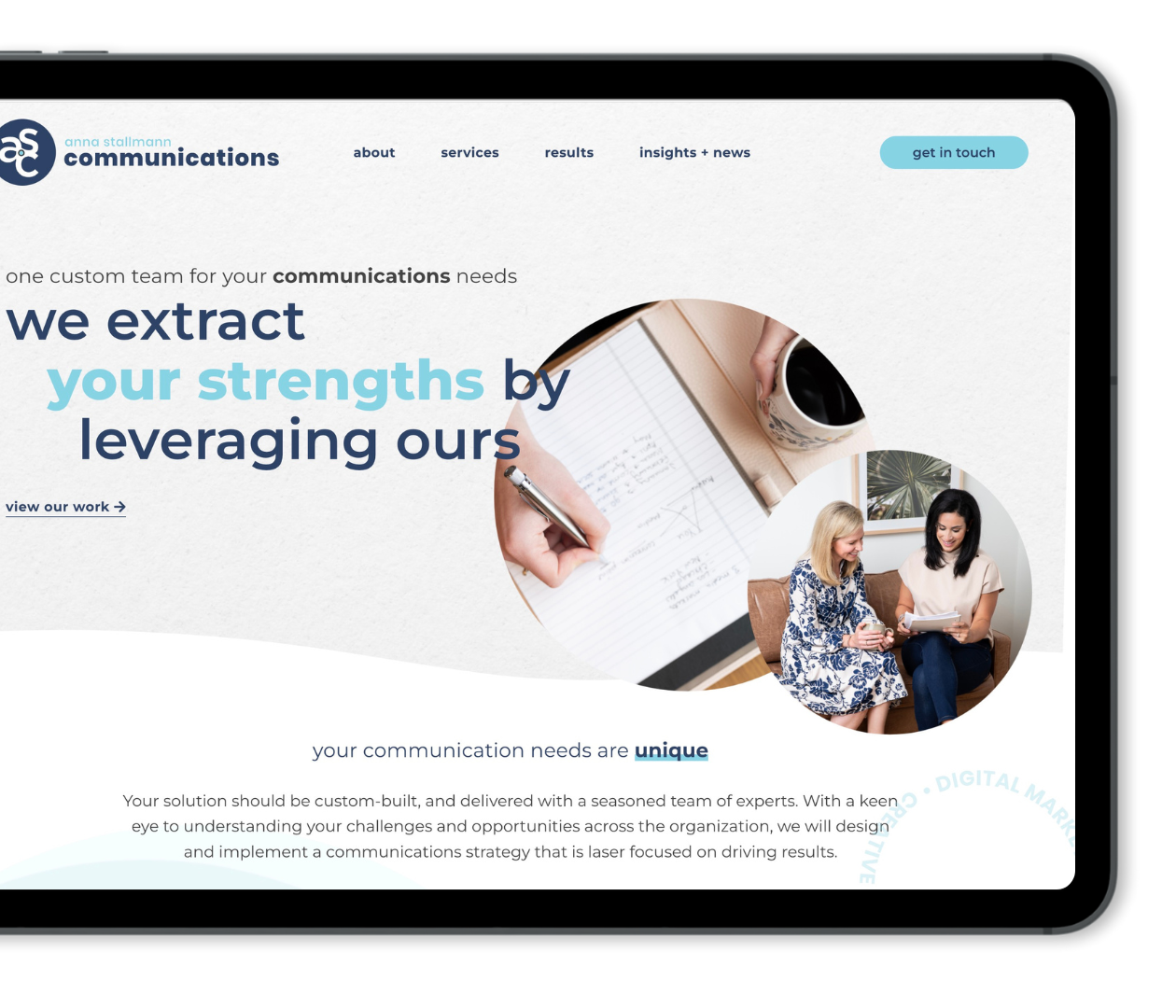
Before a prospective client ever fills out your contact form or picks up the phone, they’ve already made a judgment about your company. It happens within the first few seconds that they land on your website, and it happens without much conscious thought on their part.
Decision-makers like CEOs, marketing directors or department heads are evaluating risk every time they bring on a new vendor or service provider. And your website is one of the primary tools where that evaluation step happens. The difference between a website that earns trust and one that erodes it often comes down to a few specific signals.
Why Trust is a Conversion Factor in B2B
A lot of buying decisions happen on impulse or convenience in consumer purchasing but B2B buying is very different. With higher stakes, large contracts and long relationships, a company is making a decision they will be engaging with for months or years. This means a B2B company launching a new website is making an investment that directly impacts business decisions at a high level for a long time.
The bar for trust is much higher in B2B businesses; your website doesn’t just need to look good, it needs to communicate you are capable, reliable and worth the investment. When it does that and does it well, the sales conversation becomes easier. When it doesn’t, even strong companies can lose opportunities to competitors whose websites do a better job of establishing confidence and building that trust.
Trust Signals that Move the Needle
Social Proof from Reliable Sources
Testimonials and case studies are the most direct form of trust-building on a website, but not all are created equal. A generic quote from “a satisfied client” doesn’t carry much weight with sophisticated B2B buyers. What really moves the needle are specific, attributable proof from people and companies that are similar to theirs.
Testimonials with a real name and company are significantly more credible than anonymous ones. Case studies that step through a real problem, what you did and what changed as a result, tell a much more compelling story than a list of bullet points about your process. If your clients fall into specific industries, featuring social proof from those industries signals to incoming prospects that you understand their business.
Clear, Confident Description of What You Do
It sounds obvious, but it’s one of the places we see websites most commonly falling short. If a visitor cannot easily understand what you do, who you do it for, and why it matters within the first few seconds of landing on your site, they’re already halfway out the door.
Vague positioning language is one of the biggest trust killers when it comes to B2B companies. Phrases like “we help businesses thrive” or “innovative solutions for your needs” communicate pretty much nothing and feel like every other website in the industry niche. Companies that earn trust quickly are specific and clearly name their ideal client, describe the outcome they deliver, and don’t try to be everything to everyone.
Transparency
People identify with and hire people, even when they are hiring a company. Prospects want to know who they are actually going to be working with. So a team page with actual employee or leadership names, photos and a little bit of personality go a lot further than most businesses realize.
This also carries over to your About page. How long have you been doing the work? What has shaped your approach? Why do your clients keep coming back? These are details that turn a generic company into someone a prospective client can actually picture working with.
Relevant Credentials and Recognitions
Industry certifications, awards, membership, and recognitions belong front and center on your website, not hidden away where no one sees them. For companies in B2B or regulated industries, these things signal that you are a credible operation.
Relevance is key. Credentials that indicate something to your specific audience carry more weight than logos for organizations your ideal clients have never heard. You should be intentional about which credentials you feature and where they show up on the website.
Your Portfolio Should Reflect the Work You Want to Attract
Your website’s portfolio or case studies section is one of the highest trust-building areas on your site, and often goes overlooked internally. If the work you’re showing is five years old, doesn’t reflect your current capabilities or targets a different type of client than the one you are trying to attract, it’s working against you.
Growing companies should specifically think about this strategically. As you move upmarket or into new verticals, your portfolio needs to align. Showing the work you want more of is how you signal to your ideal prospects that you’re the right fit.
Content Freshness
An outdated website is an immediate signal that degrades trust. For example, blog articles from three years ago with no new content, a team page that still lists people who left the company or a copyright footer from two years back. None of these things are catastrophic on their own but add up to the impression that a company is not paying attention or doesn’t care.
For growing B2B companies, keeping your website current is a significant part of building and establishing your credibility. It shows that someone has been paying attention to the details, that the business is active and that what you are presenting to the world is accurate.
Security and Technical Credibility
HTTPS, fast load times and a website that works correctly on mobile are essentially table stakes these days, but their absence is easily noticed. A site that triggers a browser security warning, loads slowly or breaks on a phone tell visitors that something is off, and it influences the entire user experience that follows.
B2B buyers are often evaluating you the same way they would evaluate any vendor relationship. If you cannot keep your own digital presence in good shape, it raises questions about how you operate in other areas.
The Cumulative Effect
No single trust signal closes a deal, but they do collectively lower the resistance a prospect feels when they are considering taking the next step. Each of these signals reinforces the impression that you are a credible, capable choice for the long-term.
The companies that do this well have not necessarily spent more on their websites. They’ve just been intentional about what their websites communicate and who their audience is.
Where to Start
If you are reading this and thinking about your own website, the most useful thing you can do is look at it the way a first time visitor would. Better yet, look at it from the perspective of your ideal client. What questions does it answer? What questions does it leave open? What impression does it leave in the first 5-10 seconds?
That gap between the impression your site makes and the one you want it to make are exactly what we look at in our website audit. And if you are ready to put consistent support behind keeping your site updated and current, our website care plans are built for just that.