Your website is one of the most important business development tools you have. It is working for you around the clock, making first impressions, answering questions, and either moving prospective clients toward a conversation or sending them elsewhere. The pages you include and how well each one is built directly affects which of those outcomes happens more often.
While every business website will eventually grow to include additional pages, there are five that every site needs from the start. Each one serves a specific purpose in the client journey and without any one of them, that journey has a gap.
Article last updated May 2026
Homepage
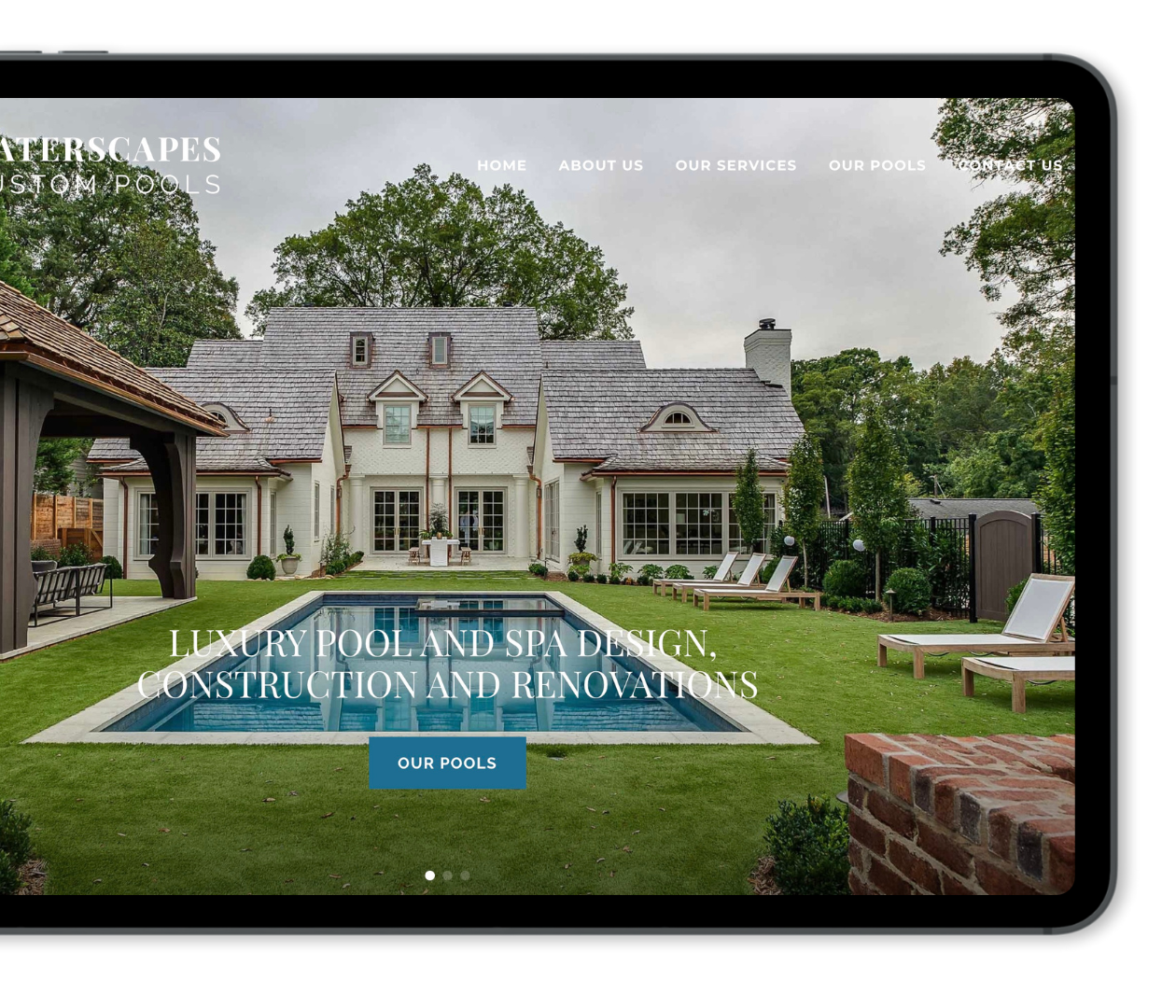
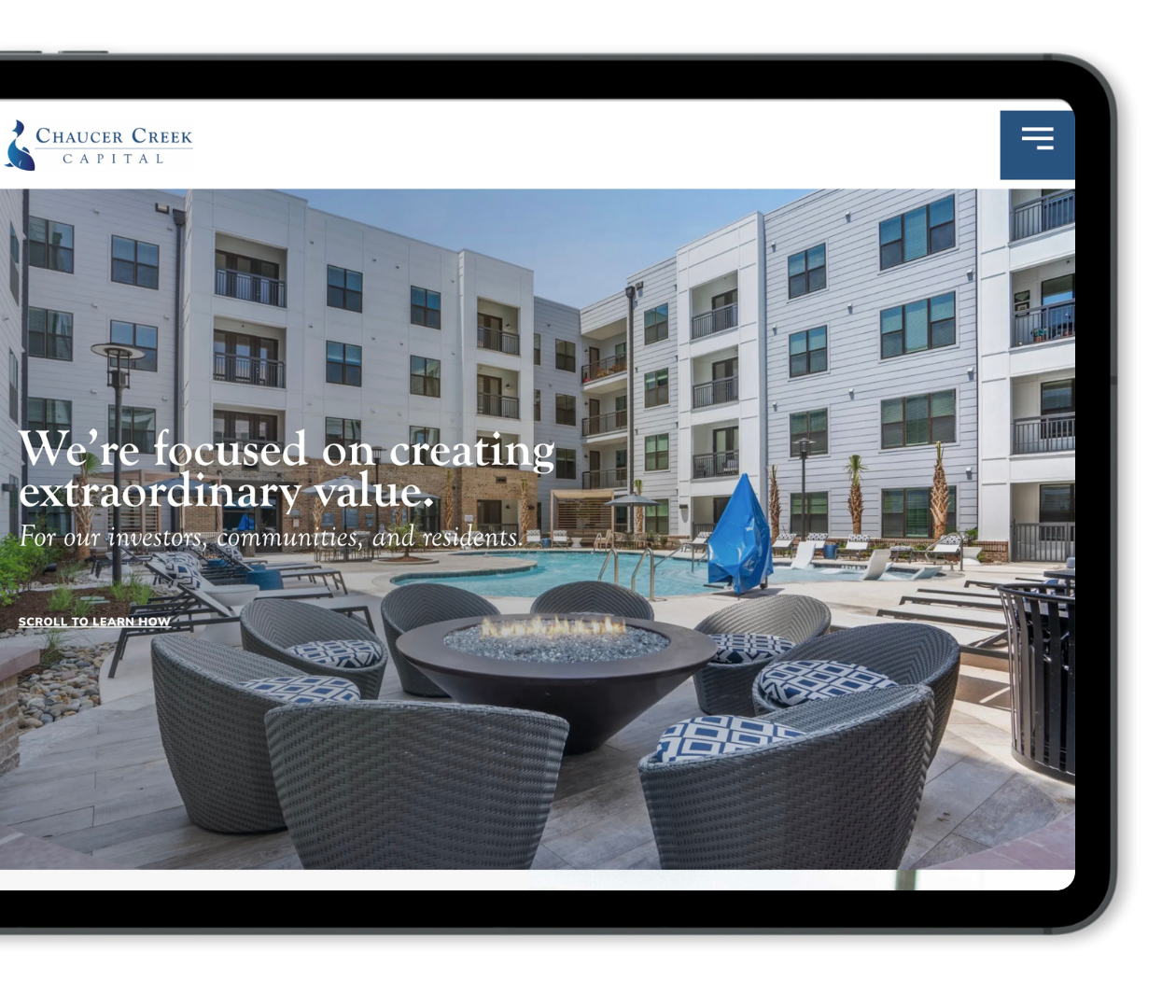
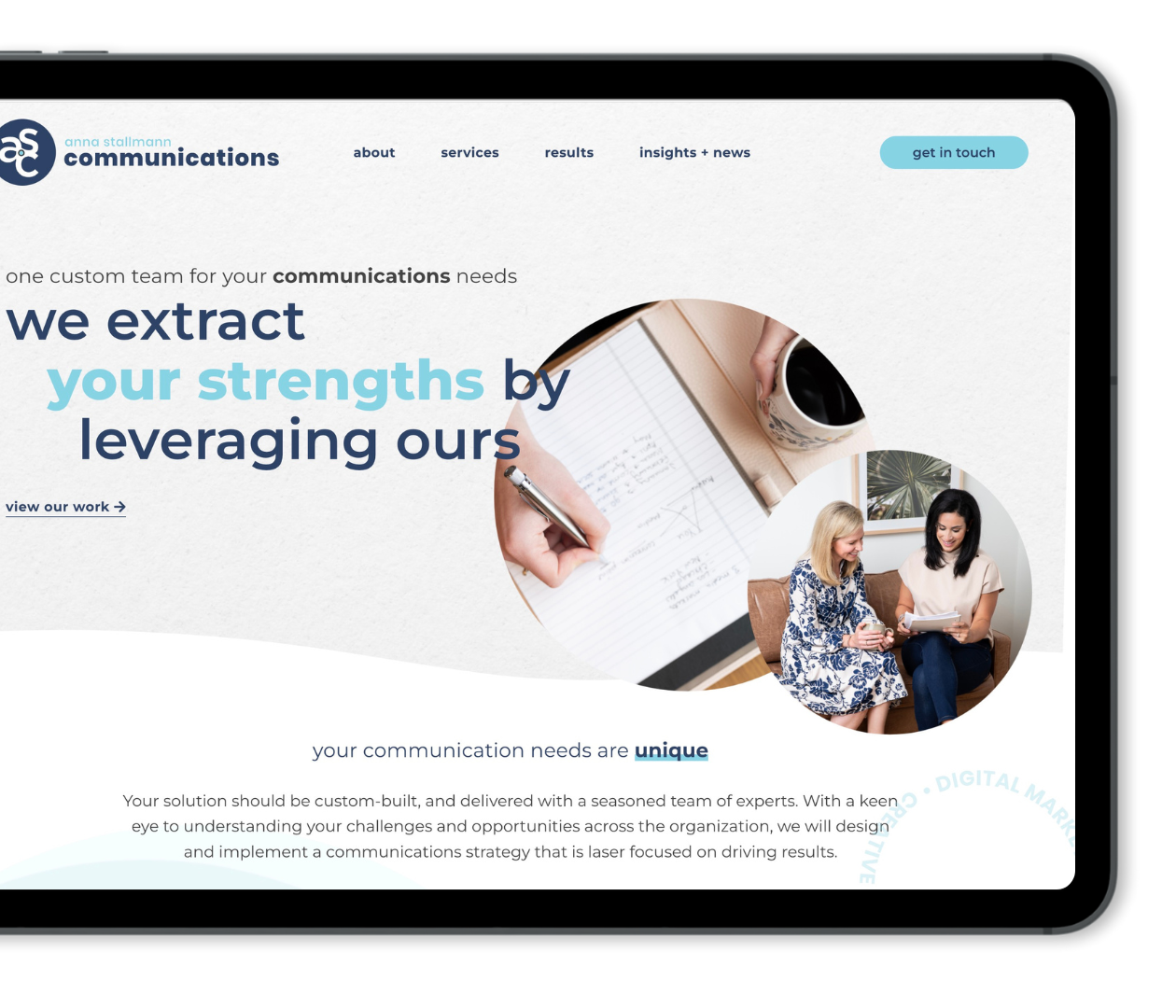
Your homepage is the front door to your business online. It is often the first page a visitor sees and you have a matter of seconds to communicate who you are, who you help, and why they should keep reading. That does not mean overwhelming the visitor with everything your business does. It means being clear, confident, and intentional about what you want them to understand and do next.
A strong homepage establishes the tone for everything else on your site. It should include a clear headline that communicates your value, supporting content that builds interest and credibility, and a primary call to action that directs visitors toward the next logical step. Use headlines, subheadings, and strong imagery to break up content and guide the eye. Give visitors just enough to be compelled to go deeper, not so much that they feel they have already seen everything.
Your homepage should answer four questions immediately:
Who you are. Who you help. What you can do for them. Where they should go next.
If a visitor cannot answer all four within the first few seconds of landing on your page, the homepage needs work.
Goal: Attract the right visitors and direct them toward a specific action. Everything on this page should serve that purpose.
About Page
The About page is consistently one of the most visited pages on a business website and it is also one of the most misunderstood. Most businesses treat it as a place to list accomplishments, credentials, and company history. The businesses that convert well use it differently.
Visitors come to your About page to figure out whether they can trust you and whether you understand their world. They want to know your story, yes, but more importantly they want to know what that story means for them. What perspective does your experience give you? Why does working with you produce a better outcome than working with someone else?
Position your About page content to tell your story while making it clear that you understand your clients, their challenges, and what they need from a partner in your space. Credibility and trust are the goals, not an exhaustive company biography.
Goal: Convince prospective clients that you understand their needs and that you have the experience and approach to address them.
Services Page
Your homepage introduces what you do. Your services page sells it. There is a meaningful difference between those two things and the services page needs to do the heavier lifting.
A strong services page goes beyond listing what you offer. It communicates the benefit a client gets from each service, answers the questions a prospective client typically has before they are ready to reach out, and makes it easy to take the next step with clear calls to action. Think of it less as a menu and more as a conversation that moves a qualified visitor toward a decision.
For businesses with multiple service offerings, consider whether each service warrants its own dedicated page. Individual service pages allow you to go deeper on each offering, speak more directly to the specific audience for that service, and create more targeted entry points from search.
Goal: Communicate clearly what your services are, what a client gains from them, and how to take the next step.
Contact Page
A contact page seems straightforward but it deserves more thought than most businesses give it. A form and an email address is a starting point, not a finished page.
Your contact page should include your primary contact information, your general location or service area, and clear expectations around response time. If someone submits a form, they want to know what happens next. Will they hear back within one business day? Two? Will they receive a confirmation email? Setting those expectations upfront reduces anxiety and starts the relationship on a transparent note.
Consider also what information you actually need from a prospective client at first contact. The shorter and more focused your form, the more likely someone is to complete it. Ask for what you need to have a meaningful first conversation, nothing more.
Goal: Make it easy for the right people to reach out and set clear expectations for what happens after they do.
Blog
A blog is one of the most underutilized assets on a business website and one of the highest-value ones when done well. For businesses where credibility and expertise are central to the buying decision, a blog gives you a platform to demonstrate both in a way that a services page cannot.
From an SEO and GEO perspective, regularly updated content is one of the strongest signals you can send to search engines and AI engines alike. Your primary pages tend to be relatively static. Your blog is where you build topical depth, answer the questions your prospective clients are actively searching for, and establish your business as a genuine authority in your space.
You do not need to publish daily or even weekly to see results. Consistent, high-quality content that actually serves your audience will outperform a high volume of thin posts every time. A realistic publishing cadence you can maintain is far more valuable than an ambitious one you cannot.
Goal: Build authority, drive organic traffic, and give prospective clients a reason to keep coming back to your site before they are ready to reach out.
Start Here and Build from There
These five pages form the foundation of a business website that works. Before adding additional pages, make sure each of these is doing its job well. Every page should have a clear purpose, a defined audience, and a logical next step for the visitor.
If you are building a new site or evaluating whether your current site is structured to convert, these five pages are the right place to start the conversation.
Thinking about a new website or wondering whether your current one is working as hard as it should? Learn about our custom web design process or get in touch to start the conversation.