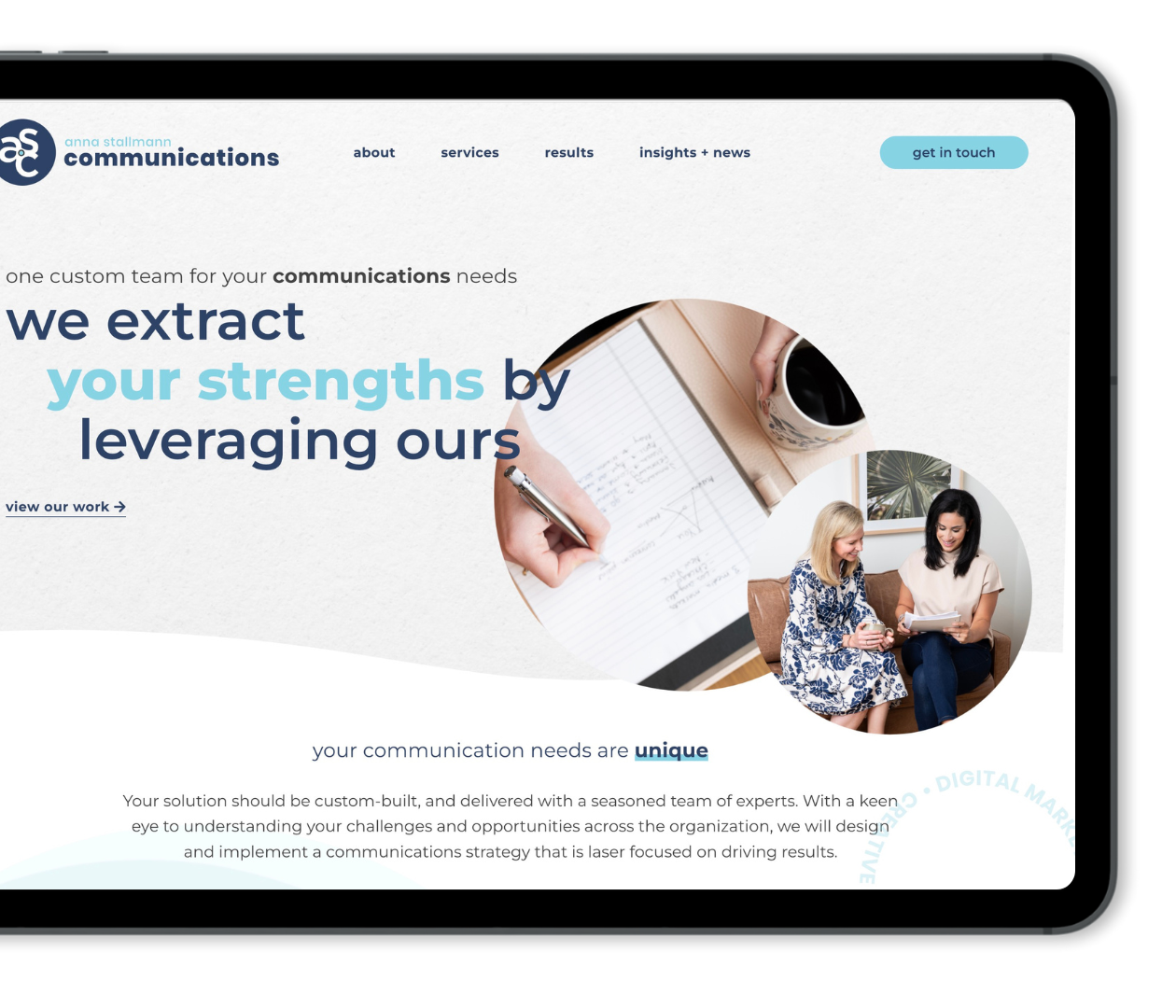
There is a pattern we see over and over again, and to be honest, we’re all guilty of it at some point. You invest time and money into a website, carefully communicating your services, your process and your experience, and then you sit back and wonder why it is not converting the way you expected.
The answer is usually in the copy. The site is all about you instead of your potential clients and customers. And your visitors showed up looking for someone who understands them, not your company history.
Making a subtle but significant shift in how you communicate on your website, taking into account who it is really for, and what it is actually trying to do, can make big strides in how your visitors perceive your business and take action.
Your visitor arrives with a problem
When someone lands on your site, they are not thinking about your company history or your list of past clients. They are thinking about a problem they have that needs to be solved. Maybe they are a developer trying to find a general contractor they can actually trust to keep a timeline. Maybe they are a business owner who needs a commercial space that works for them and have no idea where to start.
No matter what brought them to your website, they are looking for a sign that says: we understand what you are dealing with, we can help, and here’s exactly how.
If your homepage opens with “Welcome to [Company Name]” you’ve already missed that opportunity. Instead, leading with what they actually care about, what changes for them when they work with you, is a significant and powerful shift. And makes the difference between a website that simply informs and one that connects and inspires action.
Features vs. Outcomes
One of the most common traps in website copy is describing what you do instead of what it does for your client. We offer commercial real estate services” is accurate, but it’s also forgettable.
This is why we encourage clients to think about the before and after transformation they create and not the process in between. What point of frustration are you removing? What outcome are you creating? When your website copy leads with the desirable result, visitors can immediately picture themselves on the other side of it.
Navigation Matters
A visitor-centered website is not just about the copy, it’s about how the whole user-experience is organized. If someone has to click three levels deep to understand what you actually offer, or if your navigation menu is labeled with internal jargon that makes sense to your team but not to a first-time visitor, you are creating friction instead of clarity.
Think about how your ideal client moves through their decision-making process. What are they wondering first? What do they need to see before they trust you enough to reach out? Your site should be organized around their journey and not your org chart.
Every call to action should feel like a natural next step rather than a demand. “Let’s talk” works better than “Submit” because it sounds like something someone on your team would say.
Jargon = Confusion
We understand the impulse. You want to signal your expertise, and using the right industry terms feels like proof you know your stuff. But your potential clients, especially decision-makers who are evaluating you without deep technical knowledge of what you do, can walk away feeling talked at instead of talked to.
Plain language doesn’t mean dumbing things down. It means meeting your prospective clients or audience where they are. When people understand you, they trust you. But when they feel confused or left behind, they leave. It’s really that simple.
The goal shouldn’t be to sound impressive. It should be to make working with you feel clear and obvious.
Your website is not a trophy case
The businesses that convert online are not necessarily the ones with the most impressive project portfolios or client lists. They are the businesses whose website makes a visitor feel like they are already understood before they even pick up the phone.
That happens when your case studies are positioned from the solution and results point of view rather than what you delivered. When your testimonials reflect what changed for someone, not just that they were happy with your work and your copy spends time speaking to the visitor’s situation rather than your firm’s qualifications.
It’s a subtle difference, but visitors feel it immediately. And that feeling is what moves your visitors from browsing to reaching out.
None of this requires starting over completely. Sometimes the shift is as simple as reading through your current website and asking: does this sound like it was written for us, or for the person we are trying to reach? That one question reframes a lot and helps you sit in the seat of your potential client. If you are ready to take a closer look at what your website is actually communicating, reach out to get started.